If you have lost weight before only to watch it slowly creep back, you are not alone, and you are not weak. For most people, weight regain is not a failure of willpower. It is biology. Understanding why this happens is the first step toward a plan that finally works with your body instead of against it.
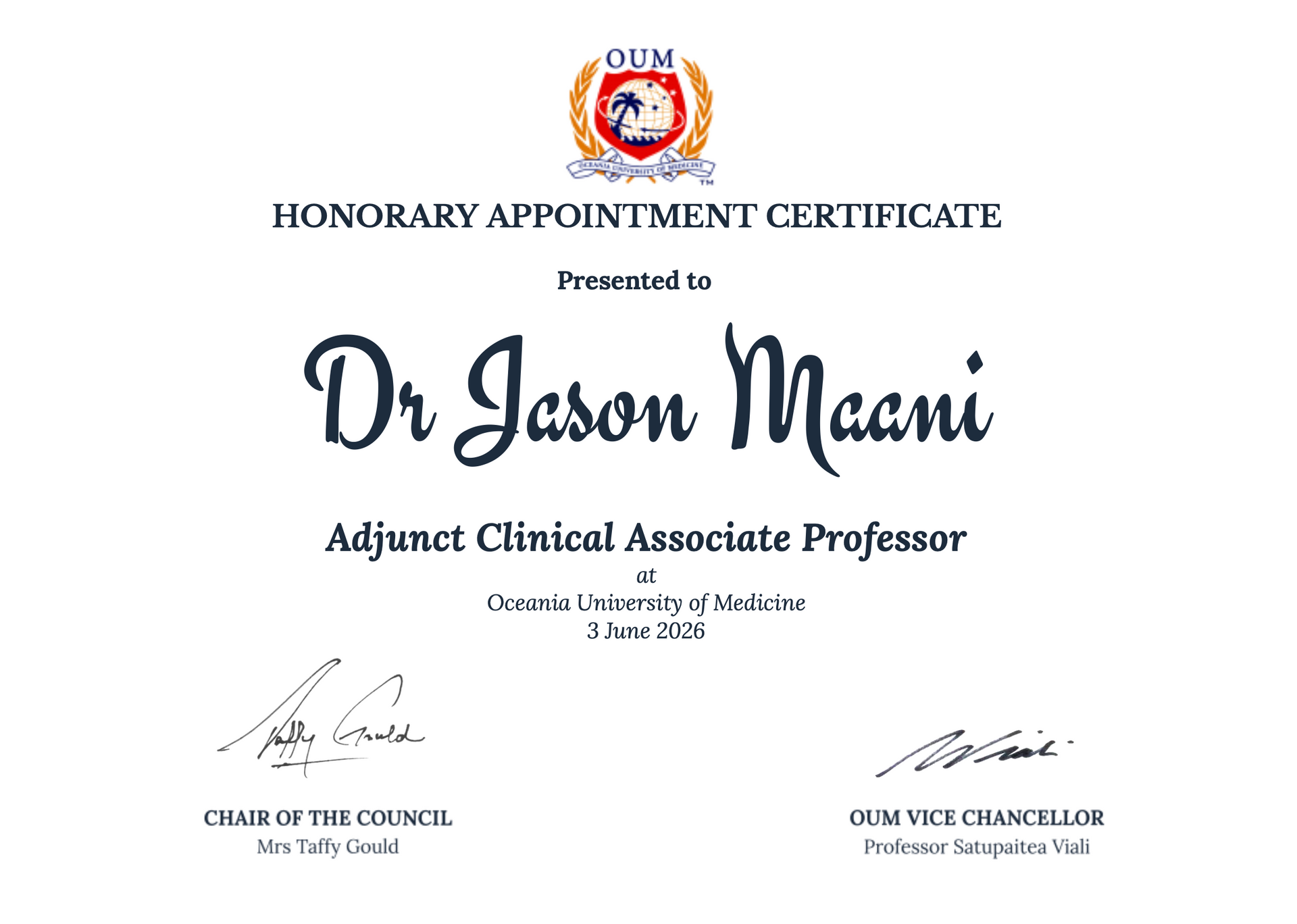
This is the idea behind The 99 Percent, a knowledge hub created by Australian bariatric and metabolic surgeon Dr Jason Maani. It exists to explain, in plain language, why an estimated 99% of diets fail in the long run and what genuinely helps people achieve lasting health and weight loss.
Why your body fights to regain weight
When you lose weight, your body does not celebrate. Instead, it often treats the change as a threat. It increases hunger, reduces feelings of fullness, slows your metabolism, and strengthens your drive to eat. It can feel like you are fighting your own physiology, because in many ways you are.
Much of this is explained by set point theory. Your set point weight is the weight range your body has become biologically adapted to defend, shaped by genetics, hormones, appetite, metabolism, sleep, stress, medications and your personal weight history. Move too far below it, and the body responds as though food is scarce, pushing you back toward the heavier weight it has grown used to. You can explore the full science of weight regain and set point weight in detail on the knowledge hub.
The hormones behind hunger and weight regain
Two hormones do much of the heavy lifting. Leptin, produced mainly by body fat, signals to your brain that you have enough stored energy. After weight loss, leptin levels fall, so hunger feels stronger, and fullness becomes harder to reach. Ghrelin, often called the hunger hormone, tends to rise. Together, these changes can persist for months or even years, which is exactly why keeping weight off so often feels harder than losing it in the first place.
This is the crucial point: hunger after weight loss is not a character flaw. It is a measurable, hormonal response, and it is one of the main reasons that learning how to maintain weight loss deserves as much attention as the weight loss itself.
What actually works: understanding your options
The good news is that obesity is now understood as a chronic, treatable medical condition rather than a personal failing. That shift changes everything because it opens the door to real, evidence-based treatment instead of another round of restriction and guilt. There is no single right answer; the best pathway depends on your health, history and goals. A clear overview of the medical and surgical weight loss options available in Australia is a sensible place to begin.
GLP-1 medications: a powerful tool, not magic
Medicines such as Ozempic, Wegovy, Mounjaro and Saxenda have transformed the conversation around obesity and type 2 diabetes. These GLP-1 receptor agonists mimic a natural gut hormone that reduces appetite, slows stomach emptying and helps you feel full for longer. For many people, they support meaningful, sustained weight loss.
But they are a tool, not a cure. Hunger and cravings often return when treatment stops, which can lead to weight regain without a long-term plan. There are also practical considerations such as cost, side effects and the risk of muscle loss if protein and nutrition are neglected. A full, balanced explanation of how GLP-1 medications work, who they suit and what to expect can help you decide whether this is the right first step for you.
When weight loss surgery becomes the right choice
For many people living with obesity, bariatric surgery offers the most durable, life-changing results, particularly when diet, exercise and medication have not delivered lasting change. It is worth understanding what surgical intervention actually involves before forming a view, because modern procedures are far safer and more refined than many people assume.
Gastric sleeve vs gastric bypass: what is the difference?
This is one of the most common questions patients ask, and the answer comes down to how each procedure works.
A gastric sleeve, or sleeve gastrectomy, removes a large portion of the stomach to create a narrow tube. This reduces how much you can eat and lowers ghrelin, the hunger hormone. It is a popular, less complex option with no implanted device and no rerouting of the intestines, and it often suits people wanting a strong result with a more straightforward recovery. You can read a complete guide to gastric sleeve surgery and its outcomes on the hub.
A gastric bypass goes a step further. It creates a small stomach pouch and reconnects it to a lower section of the small intestine, so food bypasses part of the digestive tract. This limits intake and changes hormonal signals, and it can have a stronger effect on type 2 diabetes and reflux for selected patients. The trade-off is lifelong nutritional monitoring. A detailed explanation of gastric bypass surgery and what to expect covers who it suits best.
Which is better depends entirely on the individual. Severe reflux or significant diabetes may point toward a bypass, while many patients are well served by a sleeve. Only a proper surgical assessment can answer it for you.
What does the research say?
This is not wishful thinking. A 2025 analysis of the Australian Bariatric Surgery Registry, covering procedures performed between 2012 and 2021, found that metabolic bariatric surgery was safe and effective for substantial weight loss, with serious 90-day adverse events recorded in only 3.6% of procedures. Notably, many patients treated for diabetes at the outset no longer required medication at one and five years. Sleeve gastrectomy was the most common procedure performed.
Maintenance is its own skill
Whichever path you choose, the work does not end at the scales. Losing weight is often easier than keeping it off, because the same biological pressures never fully switch off. The most successful outcomes combine treatment with protein-focused nutrition, regular movement, behavioural support and ongoing medical follow-up. Surgery and medication are powerful tools, but they work best as part of a long-term, supported plan rather than a quick fix.
Real results from real people
If you need encouragement that change is possible, the patient success stories shared on the hub show real Australians who have transformed their health, mobility and confidence. Their journeys are a reminder that the goal is not the fastest possible weight loss, but sustainable change that protects your wellbeing for years to come.
Take the next step
Weight regain is biology, not weakness, and you do not have to navigate it alone. Whether the right answer is lifestyle support, GLP-1 medication, a gastric sleeve or a gastric bypass, the first step is understanding your options and getting expert guidance tailored to you. You can explore every topic in depth through the knowledge hub, and when you are ready, book a consultation with Dr Maani to build a plan suited to your health and goals.
Disclaimer: This article is general information only and is not a substitute for personalised medical advice. Surgical and medical weight loss treatments carry risks, and individual results vary. Always consult a qualified clinician.
Our Approach - Learn From Patients
Sydney Weight Loss Surgery