If you are considering weight loss surgery, one of the first questions is usually about eligibility. In most cases, you may be considered for gastric sleeve or gastric bypass surgery if your Body Mass Index (BMI) is 40 or higher, or 35 and above with obesity-related medical conditions such as type 2 diabetes, high blood pressure, or sleep apnoea. However, BMI is only one part of the assessment, and suitability is always confirmed after a comprehensive medical evaluation.
For patients across Liverpool, NSW; Kogarah, NSW; Figtree, NSW; Wollongong, NSW; and Windsor, NSW, understanding how BMI fits into the broader decision-making process is essential before taking the next step.
What is BMI and Why Does It Matter?
Body Mass Index (BMI) is a simple calculation used to estimate body fat based on your height and weight. Healthcare professionals widely use it to assess whether a person is underweight, of a healthy weight, overweight, or obese.
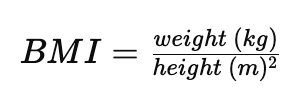
While BMI does not directly measure body fat or distribution, it provides a useful starting point for determining whether weight may be impacting your health.
- BMI below 25: Considered within a healthy range
- BMI 25–29.9: Overweight
- BMI 30–34.9: Obesity (Class I)
- BMI 35–39.9: Obesity (Class II)
- BMI 40 and above: Severe obesity (Class III)
For bariatric surgery, BMI helps identify patients who may benefit from surgical intervention when lifestyle measures alone have not been effective.
BMI Requirements for Gastric Sleeve and Gastric Bypass
Both gastric sleeve surgery and gastric bypass surgery follow similar BMI eligibility criteria in Australia and internationally.
Standard BMI Criteria
- BMI ≥ 40: Eligible regardless of other medical conditions
- BMI ≥ 35 with comorbidities: Eligible if you have conditions such as:
- Type 2 diabetes
- High blood pressure
- Obstructive sleep apnoea
- Joint problems or mobility limitations
- Fatty liver disease
Lower BMI Consideration (30–34.9)
In some cases, patients with a BMI between 30 and 34.9 may be considered for surgery if they have poorly controlled type 2 diabetes or metabolic disease, particularly when other treatments have not been successful.
This reflects evolving clinical guidelines that recognise metabolic surgery as a treatment for certain chronic conditions, not just weight alone.
Is BMI the Only Factor That Matters?
BMI is important, but it is not the only consideration. A comprehensive assessment is always required before recommending surgery.
Other Key Factors Include:
- Medical history: Existing conditions such as diabetes, heart disease, or reflux
- Previous weight loss attempts: Diet, exercise, medications, and supervised programs
- Psychological readiness: Ability to commit to long-term lifestyle changes
- Understanding of the procedure: Risks, benefits, and expected outcomes
- Support systems: Family, social, and healthcare support
For example, two patients with the same BMI may have very different treatment recommendations depending on their overall health and goals.
Differences Between Gastric Sleeve and Gastric Bypass Eligibility
While BMI thresholds are similar, the choice between procedures depends on additional factors.
Gastric Sleeve (Sleeve Gastrectomy)
- Often recommended for patients with higher BMI
- Simpler procedure compared to bypass
- Reduces stomach size and appetite hormones
- Suitable for a broad range of patients
Gastric Bypass (Roux-en-Y Gastric Bypass)
May be preferred for patients with:
- Severe reflux (GORD)
- Type 2 diabetes requiring metabolic control
- Involves both restriction and malabsorption
- Typically leads to slightly higher weight loss outcomes
The most appropriate procedure is determined after a personalised consultation.
How Accurate is BMI for Determining Eligibility?
BMI is useful but has limitations.
Limitations of BMI:
- Does not account for muscle mass (athletes may have high BMI but low body fat)
- Does not reflect fat distribution (visceral fat vs subcutaneous fat)
- Does not assess metabolic health directly
Because of these limitations, surgeons consider additional assessments such as:
- Waist circumference
- Blood tests (glucose, cholesterol, liver function)
- Imaging when required
- Clinical examination
This ensures a more accurate understanding of your health beyond just a number.
What If Your BMI Is Below 35?
If your BMI is below 35, you may still have options.
Alternative Pathways:
- Medically supervised weight loss programs
- Pharmacological treatments (weight loss medications)
- Lifestyle interventions (nutrition, exercise, behavioural therapy)
In selected cases, surgery may still be considered if there are significant metabolic conditions, but careful evaluation is required.
What Happens During a Bariatric Assessment?
Your first consultation is designed to determine whether surgery is appropriate and safe.
Typical Assessment Includes:
- Detailed medical history and examination
- BMI calculation and weight history review
- Discussion of previous weight loss attempts
- Assessment of obesity-related conditions
- Explanation of surgical options
- Discussion of risks, benefits, and expectations
You may also be referred for:
- Dietitian assessment
- Psychological evaluation
- Blood tests or imaging
This process ensures that any decision is well-informed and tailored to your situation.
Expected Weight Loss Based on BMI and Procedure
While BMI helps determine eligibility, it also influences expected outcomes.
Typical Results:
- Gastric Sleeve: ~50–70% of excess weight loss
- Gastric Bypass: ~60–80% of excess weight loss
Weight loss usually occurs gradually over 12 to 24 months, with the most significant changes in the first year.
Long-term success depends heavily on:
- Dietary changes
- Physical activity
- Ongoing medical follow-up
Risks and Considerations
All surgical procedures carry risks, and bariatric surgery is no exception.
General Risks:
- Infection
- Bleeding
- Blood clots
- Anaesthetic complications
Procedure-Specific Risks:
- Nutritional deficiencies (more common in bypass)
- Reflux (can occur after sleeve)
- Dumping syndrome (bypass)
A thorough consultation helps ensure that risks are clearly understood and appropriately managed.
What If Surgery Is Delayed?
Delaying treatment may allow obesity-related conditions to progress.
Potential Consequences:
- Worsening diabetes or need for insulin
- Increased cardiovascular risk
- Joint deterioration and reduced mobility
- Reduced quality of life
Early assessment can help determine whether intervention may improve long-term health outcomes.
Why Choose a Specialist Bariatric Surgeon?
Bariatric surgery requires a multidisciplinary approach and careful long-term follow-up.
Key Advantages of Specialist Care:
- Individualised treatment planning
- Access to a full support team (dietitian, psychologist, GP)
- Ongoing monitoring and guidance
- Management of complications if they arise
For patients in Liverpool, Kogarah, Figtree, Wollongong, and Windsor, having access to experienced care ensures safer outcomes and better long-term results.
Next Step: Book a Consultation
If you are wondering whether you meet the BMI requirements for gastric sleeve or gastric bypass surgery, the most important step is a personalised assessment.
BMI provides a useful starting point, but your overall health, goals, and medical history will determine the most appropriate pathway.
To take the next step, book a consultation with Dr Jason Maani:
- Book your appointment here
During your consultation, you will receive:
- A full eligibility assessment
- Clear explanation of your options
- Guidance on the most suitable procedure
- A structured plan moving forward
Final Thoughts
BMI is an important guide when considering bariatric surgery, but it is not the only factor. Most patients qualify with a BMI of 40 or above, or 35 with associated medical conditions, though some may be considered at lower thresholds depending on their health profile.
The key is not just meeting a number, but understanding whether surgery is the right step for your long-term health.
If you are based in Liverpool, Kogarah, Figtree, Wollongong, or Windsor, arranging a consultation is the most reliable way to get clear, personalised advice and move forward with confidence.
Our Approach - Learn From Patients
Sydney Weight Loss Surgery